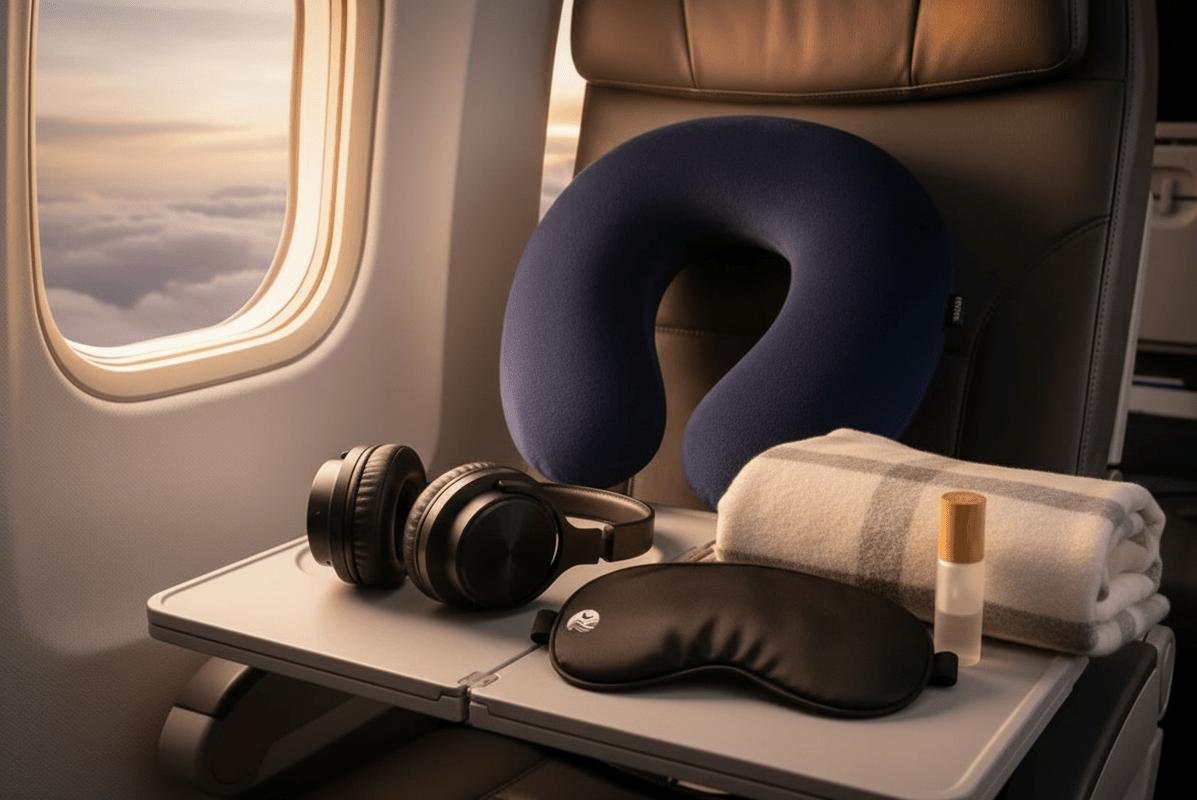
An overnight flight can be a convenient way to travel, especially when you want to reach your destination without spending an entire day in transit. However, spending several hours inside an aircraft during normal sleeping hours can create challenges. Limited legroom, cabin noise, changing temperatures, and unfamiliar surroundings can make it difficult to rest.
Knowing how to prepare for an overnight flight can make the experience more comfortable and help you organize your journey from departure to arrival. Whether you are traveling internationally, taking your first long-haul flight, or planning a business trip, a little preparation can prevent unnecessary stress.
This guide from Amandeuce explains practical ways to organize your belongings, prepare your body, choose suitable travel essentials, and manage your first day after landing.
1. Organize Your Travel Documents Before Departure
One of the most important parts of preparing for an overnight flight is keeping your travel documents organized. Searching through your luggage at the airport can create unnecessary pressure, particularly when you are tired.
Keep your passport, boarding pass, visa, identification, hotel reservation, and other necessary documents in an easily accessible travel organizer.
For international journeys, check the entry requirements of your destination before departure. Some countries require additional documentation, proof of accommodation, return tickets, or specific travel authorizations.
Save digital copies of important documents on your phone, but remember that digital copies may not replace original documents when authorities require them.
2. Choose the Right Airplane Seat
Your seat selection can influence how comfortable your overnight journey feels.
A window seat may be suitable if you prefer leaning against the aircraft wall and avoiding interruptions from other passengers. An aisle seat can be more convenient if you expect to stand, stretch, or visit the restroom regularly.
Consider these factors before selecting your seat:
- Window seats provide a convenient surface for resting your head.
- Aisle seats offer easier access to the cabin walkway.
- Seats near busy areas may experience more movement and noise.
- Extra-legroom seats can provide additional space when available.
Check the aircraft seating layout before paying for an upgrade. Not every seat advertised as having additional space provides the same experience.
3. Pack a Dedicated Overnight Flight Kit
A small personal travel kit can make a significant difference during a long flight. Instead of opening your main suitcase repeatedly, keep essential items together in your personal bag.
Consider including:
- A comfortable eye mask.
- Earplugs or noise-reducing headphones.
- A supportive neck pillow.
- A lightweight sweater.
- A toothbrush and basic toiletries.
- A refillable water bottle.
- A phone charging cable.
- Any necessary personal medication.
Choose items according to your actual needs rather than purchasing every travel accessory available. A simple, lightweight kit is easier to manage in a crowded aircraft cabin.
4. Wear Comfortable Clothing
Clothing choices can affect your comfort during an overnight journey. Tight jeans, restrictive footwear, and heavy fabrics may become uncomfortable when you remain seated for several hours.
Choose breathable clothing that allows you to move easily. Comfortable trousers, a soft shirt, and an additional layer can help you adjust to changing cabin temperatures.
Shoes should be easy to remove and put on again when appropriate. However, keep footwear accessible rather than placing it deep inside your luggage.
Travelers with circulation concerns or an increased risk of blood clots should ask a healthcare professional whether properly fitted compression stockings or other precautions are appropriate.
5. Adjust Your Sleep Schedule Before Traveling
Your normal sleeping routine may not match your flight departure time or destination time zone.
If you are crossing several time zones, gradually adjusting your bedtime before departure may make the transition easier. Even a small adjustment can help you begin thinking about your destination’s local schedule.
Avoid deliberately staying awake all night before your flight just to become tired enough to sleep onboard. Starting your journey already exhausted may make the experience more difficult.
Instead, maintain a reasonably consistent sleep routine and allow yourself enough rest before leaving home.
6. Eat a Suitable Meal Before Boarding
Airport food options and airline meal schedules do not always match your regular eating habits.
Eating a familiar, balanced meal before departure can help you avoid becoming hungry while trying to rest. Choose foods that you normally tolerate well instead of experimenting with unfamiliar dishes immediately before a long journey.
You can also pack suitable snacks if airport and airline rules allow them.
Avoid eating an unusually heavy meal immediately before your intended sleep period if it tends to make you uncomfortable.
7. Stay Hydrated During the Flight
Cabin air can feel dry, and passengers may become uncomfortable during long journeys if they do not drink enough fluids.
Keep drinking water regularly throughout the flight. A refillable bottle can be useful, although you should follow airport security requirements and refill it after passing security when permitted.
Do not rely entirely on coffee, tea, or sugary drinks to stay refreshed.
There is no need to force excessive amounts of water. Drink according to your needs and any medical advice you have received.
8. Prepare Your Phone and Entertainment Before Boarding
An overnight flight can feel longer when you have no entertainment available.
Before leaving home, download useful content while you have a reliable internet connection. Depending on your preferences, this may include:
- Movies and television episodes.
- Music and podcasts.
- E-books and offline reading material.
- Offline maps.
- Travel itineraries and hotel information.
- Important boarding and reservation details.
Bring a charging cable and check whether your aircraft provides power outlets or USB charging.
Do not assume that every airline or aircraft offers complimentary Wi-Fi or entertainment services. Check the facilities available on your particular flight.
9. Create a Comfortable Sleeping Environment
Sleeping on an aircraft is different from sleeping at home. Cabin lighting, engine sounds, passenger movement, and limited personal space can interrupt your rest.
Try to create a simple sleeping environment after the aircraft reaches cruising altitude.
Adjust your neck pillow, use an eye mask, and reduce unnecessary screen brightness. Earplugs or headphones may help reduce surrounding noise.
A lightweight blanket or sweater can provide additional comfort if the cabin becomes chilly.
Keep your seatbelt fastened while seated, even when sleeping. Position it visibly over your blanket so the crew can check that it is secured.
10. Avoid Excessive Caffeine and Alcohol
Coffee may help you remain alert, but drinking it shortly before your planned sleeping period can make resting more difficult.
Alcohol is also not a reliable way to improve sleep quality. It can disrupt sleep and may contribute to dehydration or other discomfort.
Think about your destination’s local time when deciding whether to consume caffeinated drinks.
If you are considering taking sleeping medication or supplements during an aircraft journey, speak with a qualified healthcare professional first. Avoid experimenting with unfamiliar sedating products while traveling.
11. Move Around When It Is Safe
Remaining seated for an extended period can make your legs and back feel stiff.
When the seatbelt sign is off and the crew permits movement, stand up and walk carefully through the cabin when appropriate.
You can also perform gentle movements while seated, such as moving your ankles and changing your leg position.
Passengers with particular medical risk factors should seek individual advice about preventing circulation problems during long-distance travel.
12. Keep Important Items Within Reach
An organized personal bag can save time and prevent unnecessary movement during the journey.
Keep frequently used belongings in a small pouch or a convenient compartment.
Your passport, phone, headphones, tissues, charging cable, and essential medication should remain accessible.
Avoid placing valuable items or important documents in an overhead compartment where you cannot easily reach them.
Before settling into your seat, check that everything you may need during the flight is available.
13. Plan for Different Flight Situations
Not every overnight flight follows the same schedule. A delayed departure, unexpected turbulence, or a change in connecting-flight arrangements can affect your plans.
Prepare for possible changes by keeping your airline’s contact details and booking information available.
If you have a connecting flight, review the airport terminal, transfer arrangements, and minimum connection information provided by your airline.
For international connections, check whether you must pass immigration, collect checked luggage, or complete additional security procedures.
A flexible schedule can reduce stress when something does not go according to plan.
14. Prepare for Arrival Before Landing
The final part of an overnight flight is an opportunity to organize your arrival.
Before landing, check your passport and other necessary documents. Review your accommodation address, transportation arrangements, and any onward travel information.
Freshening up can also help you feel more prepared when leaving the aircraft.
If you are arriving in an unfamiliar city, save the address of your hotel and important transportation information offline before departure.
Planning these details in advance means you will not need to make every decision while tired.
15. Give Yourself Time to Recover After Landing
Your journey does not end when the aircraft reaches the destination.
If you have crossed multiple time zones, your internal body clock may need time to adjust. This experience is commonly known as jet lag.
Try to follow the local schedule for meals and sleep. Get daylight at an appropriate time and avoid taking an unnecessarily long afternoon nap if you need to sleep at a normal local bedtime.
Keep your first day flexible. Instead of arranging a demanding sightseeing schedule immediately after landing, allow time to settle into your accommodation and recover.
A relaxed arrival day can help you enjoy the rest of your trip more comfortably.
Overnight Flight Packing Checklist
Before leaving for the airport, use this simple checklist to make sure you have your essential belongings.
| Travel Essential | Why You Need It |
|---|---|
| Passport and boarding pass | Airport and travel identification |
| Eye mask | Reduces exposure to cabin lighting |
| Neck pillow | Provides additional head support |
| Earplugs | Helps reduce surrounding noise |
| Comfortable clothing | Makes extended sitting easier |
| Water bottle | Helps you access drinking water |
| Phone charger | Keeps your device powered |
| Travel documents | Provides important booking information |
| Personal medication | Keeps necessary medicine accessible |
| Basic toiletries | Helps you freshen up after resting |
Check your airline’s baggage restrictions before packing liquids, batteries, power banks, and other restricted items.
Common Mistakes to Avoid During an Overnight Flight
Even experienced travelers can make small mistakes that reduce their comfort.
One common mistake is packing essential sleeping accessories inside checked luggage or an inaccessible overhead bag.
Another is drinking too much caffeine shortly before attempting to sleep. Some travelers also forget to prepare offline entertainment and discover that their preferred services are unavailable onboard.
Avoid planning an exhausting first day after arrival. If your flight is long and crosses several time zones, give yourself enough flexibility to adjust.
Finally, do not ignore airline safety instructions simply because you are trying to sleep or relax.
Conclusion
Learning how to prepare for an overnight flight is an important part of planning a comfortable journey. The right preparation can help you manage limited cabin space, organize your belongings, and make better decisions about sleeping, eating, and staying comfortable.
Start by organizing your travel documents, selecting a suitable seat, and packing a small overnight flight kit. During the journey, drink water regularly, avoid excessive caffeine and alcohol, and move when it is safe to do so.
Most importantly, prepare for your arrival instead of focusing only on the hours spent inside the aircraft.
With a practical plan and realistic expectations, an overnight flight can become a more manageable part of your travel experience.
At Amandeuce, our goal is to help travelers make informed decisions and enjoy better-prepared journeys.
Frequently Asked Questions
1. What should I do before an overnight flight?
Organize your travel documents, pack essential comfort items, wear comfortable clothing, prepare offline entertainment, and check your airline’s baggage requirements.
2. How can I sleep better on an overnight flight?
Use an eye mask, earplugs, and a comfortable neck pillow. Reduce screen brightness, wear suitable clothing, and create a quiet environment as much as possible.
3. What should I pack in my overnight flight bag?
Keep your passport, phone, charger, headphones, water bottle, essential medication, toiletries, and sleeping accessories in an accessible personal bag.
4. Is a window seat better for an overnight flight?
A window seat can be useful if you want to lean against the aircraft wall while resting. An aisle seat may be more suitable if you expect to move around frequently.
5. Should I eat before an overnight flight?
A familiar meal before boarding can help prevent hunger during your intended sleeping period. Choose foods that are comfortable for you to digest.
6. How do I avoid feeling exhausted after an overnight flight?
Try to rest during the journey, follow the local time at your destination, stay hydrated, and leave enough flexibility in your first day’s schedule.
7. Is it better to sleep or stay awake during an overnight flight?
It depends on your departure time, destination time zone, and personal schedule. If the flight overlaps with your normal sleeping period, getting some rest may be helpful.
8. How early should I arrive at the airport for an overnight flight?
Follow your airline’s recommended arrival time. International flights often require additional time for check-in, baggage drop, security, and immigration procedures.
About the Author

Hi, this is a comment.
To get started with moderating, editing, and deleting comments, please visit the Comments screen in the dashboard.
Commenter avatars come from Gravatar.